As a pediatric neurodevelopmental neurologist involved in the diagnosis and treatment of children with autism spectrum disorder (ASD), I welcome the encouraging shift in how society talks about children, adolescents, and adults on the autism spectrum. While there is still much work to be done, this growing emphasis on inclusion represents meaningful progress.
One example of this evolution is the increasing use of person‑first language — describing someone as “a person with ASD” rather than “an autistic person.” This approach highlights the individual rather than defining them by a diagnosis, fostering dignity and respect. Person‑first language has become standard in many areas of medicine, and its adoption in discussions of autism reflects a broader cultural shift toward empathy and understanding.
Beyond language, we are also witnessing a national transition from autism “awareness” to autism “acceptance.” Awareness acknowledges that autism exists; acceptance goes further by promoting true inclusion. At its core, acceptance means ensuring that individuals with ASD are integrated into schools, communities, and public spaces rather than isolated because of their differences.
From schools to society
What does autism acceptance look like in everyday practice?
Many children with ASD experience sensory sensitivities, including heightened responses to sound, light, or touch. In response, schools are increasingly implementing accommodations such as noise‑canceling headphones to help students better regulate sensory input and remain engaged in learning.
Other effective strategies include thoughtful classroom seating that minimizes distractions and improves access to visual and verbal cues. These small adjustments can significantly improve a child’s comfort, confidence, and academic participation.
Public spaces are also evolving. Museums, retail stores, and other crowded venues are introducing quiet hours, reduced lighting, and designated calming areas to better support individuals with ASD and sensory processing differences.
At the Thompson Autism and Neurodevelopmental Center at Rady Children’s Health in Orange County, we regularly see children and families who benefit from these inclusive practices. Through our FAST (Families, Agencies, and Schools Together) program, an on‑staff educational psychologist assists families with school placement and educational planning.
Empowering, not ‘fixing’
Parents often experience a wide range of emotions when their child is diagnosed with ASD, typically between the ages of two and five. Feelings may include sadness, anger, uncertainty, or simply the need for time to process the diagnosis.
My colleagues and I emphasize that our goal is not to “fix” a child but to support their development and help them thrive. We focus on each child’s strengths, celebrate progress in all forms, and recognize that development does not follow a single path.
A neurodiversity‑affirming approach emphasizes support over correction and empowerment over deficit. This shift — from awareness to acceptance — benefits not only individuals with ASD, but our communities as a whole.
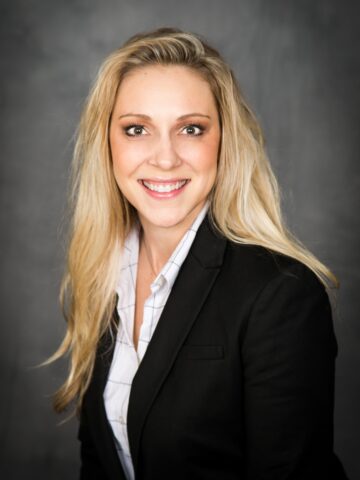
Dr. Sailaja Golla is an associate professor of pediatrics, a pediatric neurologist, and a neurodevelopmental specialist at Rady Children’s Health in Orange County and is affiliated with the University of California, Irvine School of Medicine.